
For logistics and manufacturing in 2026, time is the most expensive commodity. As industrial facilities in Dallas and across the state grow in complexity and footprint, the traditional method of staff moving on foot is becoming a relic of the past. To stay competitive, modern operations managers are turning to specialized equipment to bridge the gap between efficiency and human fatigue.
This is where personnel burden carriers enter the conversation as a vital asset for any high-output environment.
Often called the “Swiss Army Knife” of the warehouse floor, these vehicles do more than just transport people — they serve as a mobile platform for tools, inventory, and emergency response. Let’s explore why these industrial utility vehicles have become indispensable in today’s supply chain.
What Are Personnel Burden Carriers?
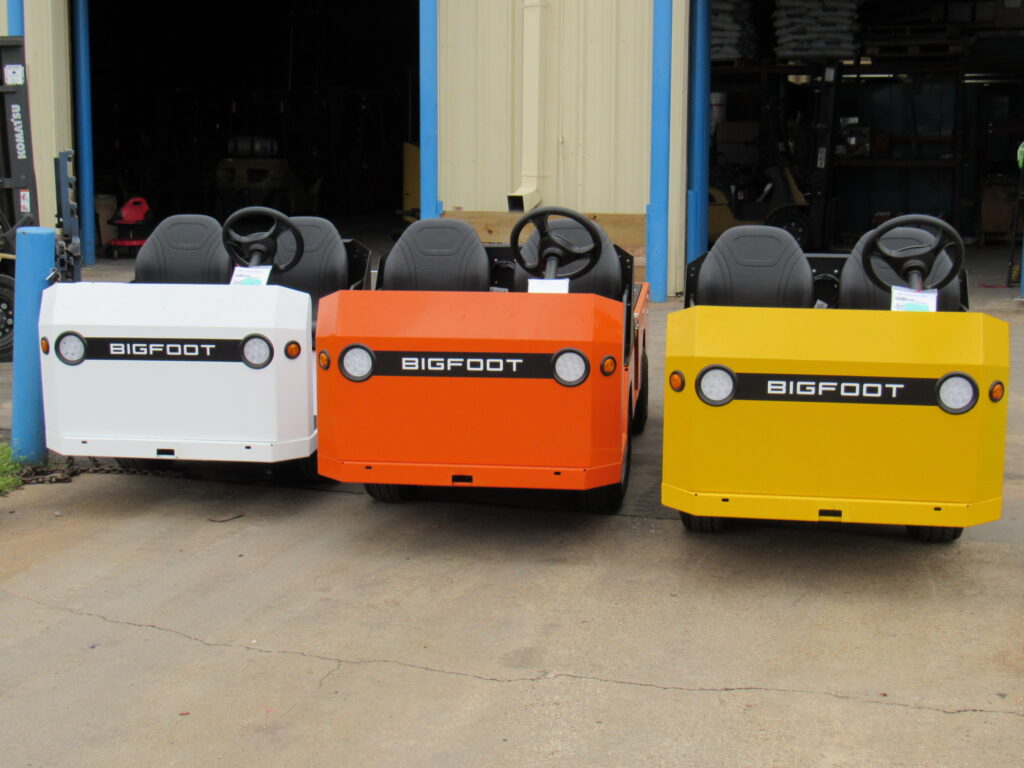
At their most fundamental level, personnel burden carriers are compact, motorized vehicles designed to transport people and materials across large indoor or outdoor industrial sites. Unlike a standard forklift, which is engineered for vertical lifting and heavy pallet movement, a burden carrier is optimized for horizontal transport.
These vehicles typically feature a driver’s seat (or standing platform) and a flatbed cargo deck. Because they are often used in enclosed spaces, Electric burden carriers have become the industry standard. These battery-powered units provide zero-emission operation and a low noise profile, allowing them to zip through narrow aisles without disrupting the workspace or compromising air quality.
Key Components
- The Power Plant | Most 2026 models utilize advanced lithium-ion battery systems, offering rapid charging and long shift lives.
- The Deck | A versatile cargo area that can be customized with tool chests, ladder racks, or even specialized medical kits for first responders.
- Maneuverability | With a tight turning radius, these Industrial Carriers can navigate corners that would be impossible for a standard pickup truck or even some smaller forklifts.
Different Types of Industrial Utility Vehicles
The “one size fits all” approach doesn’t work in modern manufacturing. Depending on the specific mission—whether it’s ferrying a VIP tour group or moving 4,000 pounds of copper wire—there is a specific configuration of industrial utility vehicles designed for the task.
1. Personnel Transporters
As the name suggests, these are the “taxis” of the industrial world. Designed exclusively for moving people, they can carry anywhere from two to eight passengers. They are essential for:
- Shift Changes | Moving teams from the breakroom to distant work zones in minutes.
- Facility Tours | Providing a professional and safe way to show clients around a massive Dallas distribution center.
2. Stock Chasers
These are smaller, more nimble versions of personnel burden carriers. Typically designed for a standing operator, they are perfect for high-speed “pick missions” where a worker needs to grab small parts or tools from various locations quickly. They often come with a built-in step ladder to help workers reach second-level shelving.
3. Heavy-Duty Tow Tractors
When the load is too heavy for a flatbed, a tow tractor (or “tugger”) is used. These Industrial Carriers are the locomotives of the warehouse, capable of pulling a train of trailers loaded with thousands of pounds of materials.
4. Specialized Maintenance Vehicles
In 2026, many facilities use electric burden carriers as mobile workshops. These units are outfitted with cabinets, workbenches, and power outlets, allowing maintenance technicians to bring the “shop” directly to a broken machine, significantly reducing downtime.
Benefits of Burden Carriers in Your Facility
Why should an operations manager invest in a fleet of Burden Carriers? The ROI (Return on Investment) goes far beyond just “saving a few steps.”
Enhanced Worker Productivity
In a warehouse spanning 500,000 square feet, a supervisor might spend 20 minutes just walking from the office to the loading dock. By using industrial utility vehicles, that travel time is cut to three minutes. Over a month, those saved hours translate directly into more time spent managing the floor and solving problems.
Reduced Physical Fatigue and Injury
Walking on concrete floors for 8-10 hours a day takes a toll on the human body. Fatigue leads to mistakes, and mistakes lead to accidents. By providing personnel burden carriers, a company reduces the physical strain on its most valuable asset—its people.
Cost-Effective Material Handling
Using a high-capacity forklift to move a small box of tools is like using a semi-truck to go to the grocery store; it is inefficient and expensive. Electric burden carriers have a much lower “total cost of ownership” compared to forklifts. They require less maintenance, use less energy, and do not require the same level of intensive operator certification.
Improved Safety and Compliance
Modern Industrial Utility Vehicles come equipped with:
- Safety Interlocks | Ensuring the vehicle won’t move unless the driver is properly seated.
- Visibility Tools | High-intensity LED lighting and back-up alarms.
- Speed Limiters | Preventing operators from exceeding safe speeds in congested areas.
Find An Industrial Utility Vehicle Near You In Dallas
If you are managing a facility in North Texas, you know that the “Dallas-Fort Worth industrial corridor” is one of the busiest in the nation. To keep up with the demand of 2026, you need a partner who understands the local landscape and the specific rigors of Texas-sized logistics.
Partnering With Southwest Material Handling Company
When it comes to sourcing the best industrial utility vehicles and personnel burden carriers, Southwest Material Handling Company is the premier choice for Dallas-based businesses. They offer more than just equipment; they provide tailored solutions that integrate into your existing workflow.
Whether you are looking to lease a fleet of electric burden carriers to meet new sustainability mandates or you need a heavy-duty tow tractor for a manufacturing expansion, their team of experts can help you select the right model. From initial consultation to long-term maintenance programs, they ensure your fleet stays operational so your business never misses a beat.
The adoption of personnel burden carriers is no longer a luxury—it is a strategic necessity for the modern warehouse. By integrating industrial utility vehicles into your daily operations, you are choosing to prioritize productivity, safety, and the long-term health of your workforce. As we move through 2026, the facilities that thrive will be the ones that leverage electric burden carriers and other industrial carriers to move smarter, not harder.
Ready to boost your facility’s efficiency? Contact the experts at Southwest Material Handling Company to explore our full range of industrial utility vehicles today!