
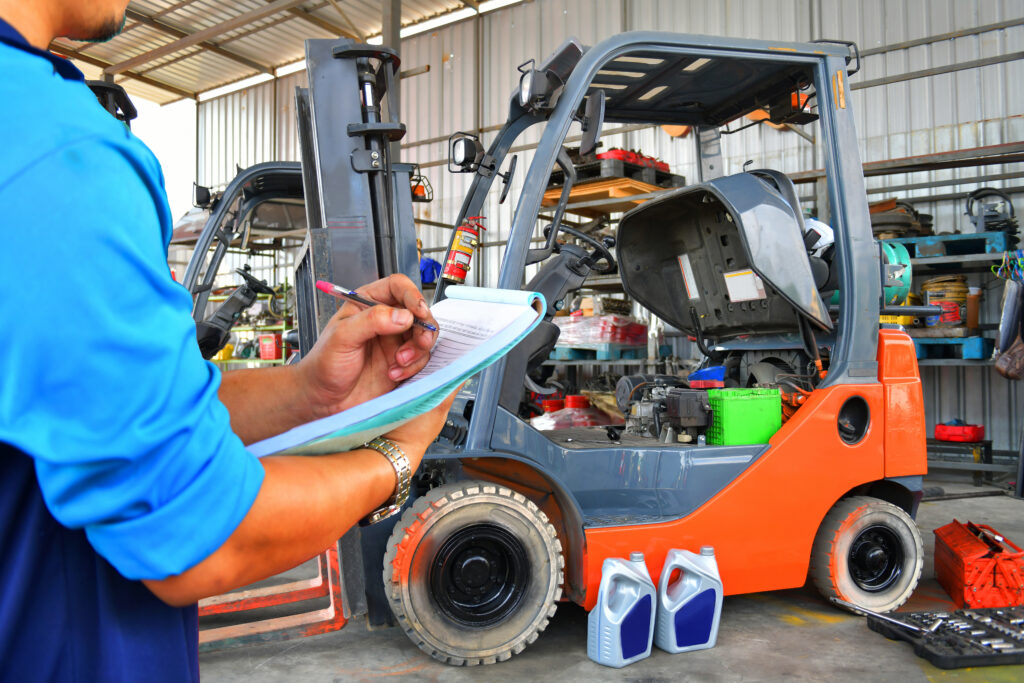
Operating a warehouse in the high-traffic industrial hubs of Dallas, TX, requires a synchronized dance of machinery and personnel. At the heart of this movement is the forklift — a workhorse that sustains the entire supply chain.
However, many operations managers view equipment care as a reactive task rather than a proactive strategy. Understanding the fundamentals of Forklift Maintenance is not just about keeping machines running; it is about protecting the bottom line and the safety of every individual on the warehouse floor.
Today, let’s explore the essential protocols for maintaining industrial lift trucks. From your daily inspections to choosing a professional forklift maintenance service, we provide the insights necessary to keep your fleet in peak condition throughout 2026 and beyond.
Why Forklift Maintenance Is Important | Efficiency and Longevity
The primary motivation for a rigorous upkeep schedule is the prevention of catastrophic failure. When a forklift goes out of commission unexpectedly, the ripples are felt throughout the entire facility. Inventory sits idle, shipping deadlines are missed, and labor costs rise as operators wait for repairs.
Regularly scheduled Forklift Maintenance allows managers to identify minor issues — a frayed hydraulic hose, a worn brake pad — before they escalate into expensive, multi-day repairs. Furthermore, a well-maintained machine retains a significantly higher resale value. For companies managing large fleets in North Texas, the difference between a neglected machine and a meticulously serviced one can amount to thousands of dollars in total cost of ownership.
Beyond the financial implications, there is the human element. A forklift that has not received proper forklift maintenance service is a liability. Steering failures or mast malfunctions can lead to tip-overs or falling loads, making maintenance the first line of defense in a robust safety program.
OSHA Maintenance Requirements | Regulatory Compliance
The Occupational Safety and Health Administration (OSHA) is clear regarding the upkeep of powered industrial trucks. Specifically, under 29 CFR 1910.178, it is mandated that any forklift not in a safe operating condition be removed from service. This is where a formal Forklift Maintenance Checklist becomes a legal necessity rather than a suggestion.
Daily Pre-Shift Inspections
OSHA requires that forklifts be examined at least daily before being placed in service. If the facility operates on a 24-hour schedule, the machines must be inspected after every shift. These inspections focus on:
- Fluid Levels: Checking oil, water, and hydraulic fluid.
- Tire Condition: Looking for “chunking” or flat spots that could affect stability.
- Mast and Forks: Checking for cracks, bends, or missing locking pins.
- Safety Devices: Testing the horn, lights, and backup alarms.
Documentation and Record Keeping
Compliance is not just about doing the work; it is about proving it. Every forklift maintenance company will emphasize that maintaining a paper or digital trail of every repair and inspection is vital. In the event of an audit or an on-site accident, these records demonstrate that the employer has fulfilled their “duty of care” by adhering to a strict Forklift Maintenance Checklist.
Best Practices And Tips For Forklift Maintenance | Stay Ahead of Repairs
To move beyond basic compliance and achieve true operational excellence, we recommend implementing a tiered approach to equipment care. This involves a mix of internal daily checks and external professional support.
1. Follow The 250 Hour Rule
Most manufacturers suggest a deep forklift maintenance service every 250 to 300 hours of operation. During these sessions, technicians should perform oil changes, lubricate chassis and mast components, and replace filters. For a high-volume warehouse in Dallas, a forklift can easily hit 250 hours in just over a month of full-time operation.
2. Battery And Fuel System Care
For electric forklifts, battery maintenance is the most overlooked aspect of Forklift Maintenance. This includes checking water levels (using distilled water only) and cleaning battery terminals to prevent acid corrosion. For internal combustion models, the fuel system requires regular cleaning to prevent carbon buildup, which can decrease fuel efficiency and increase emissions in enclosed spaces.
3. Professional Deep Dives
While internal teams can handle daily checklists, a certified forklift maintenance company should be brought in for annual or semi-annual comprehensive safety audits. These professionals have the diagnostic tools to check engine compression, hydraulic pressure, and chain elongation—factors that are difficult to measure during a standard shift change.
4. Tire Management
Tires are the only thing between a 10,000-pound machine and the warehouse floor. We suggest using a simple “wear line” rule. Once the tire wears down to the top of the lettering or the designated wear line, it must be replaced. Operating on worn tires increases vibration, which can lead to operator fatigue and premature wear on the axle components.
Implementing a Forklift Maintenance Checklist for Your Team
Consistency is the enemy of neglect. To ensure your team stays on track, we recommend the following structured Forklift Maintenance Checklist for weekly and monthly reviews:
| Frequency | Task | Focus Area |
| Weekly | Blow out radiator and engine compartment | Cooling System |
| Weekly | Check battery electrolyte levels | Electrical (Electric Units) |
| Monthly | Lubricate lift chains and mast channels | Moving Parts |
| Monthly | Inspect air filter and spark plugs | Engine (IC Units) |
| Quarterly | Full hydraulic system pressure test | Lifting Power |
Following this Forklift Maintenance Checklist, managers can significantly extend the lifespan of their equipment and be sure they will pass any surprise inspections with flying colors.
Partner With Southwest Material Handling Company
Mastering Forklift Maintenance is a continuous process that requires buy-in from both operators and management. By prioritizing daily inspections, adhering to OSHA standards, and scheduling regular intervals for a professional forklift maintenance service, Dallas-based businesses can avoid the high costs of unplanned downtime. Remember, the goal of a maintenance program is not to fix things when they break, but to ensure they never break in the first place.
Implementing these best practices ensures that your fleet remains a reliable asset, supporting your logistics and supply chain goals for years to come.
When it comes to the long-term health of your fleet, you need a partner with local expertise and a commitment to excellence. Southwest Material Handling Company is the premier forklift maintenance company in the Dallas-Fort Worth region. We offer comprehensive service plans, factory-trained technicians, and a dedication to keeping your operations moving at full speed. Whether you need a one-time repair or a total fleet management solution, we provide the reliability you deserve.
Schedule Your Service Today
Are you ready to optimize your warehouse performance? Do not wait for a breakdown to realize the importance of equipment care. Contact Southwest Material Handling Company today to schedule a professional forklift maintenance service or to request a customized Forklift Maintenance Checklist for your specific fleet. Let us help you keep your North Texas business moving safely and efficiently.
Frequently Asked Questions
Q. How often does a forklift need a professional forklift maintenance service?
While daily checks are required by law, a deep professional service is typically recommended every 250 to 500 hours of operation, depending on the manufacturer’s guidelines and the intensity of the work environment.
Q. What are the most common items on a Forklift Maintenance Checklist?
A standard checklist includes checking fluid levels (oil, coolant, hydraulic), inspecting tires for wear, testing brakes and steering, checking the mast and forks for structural integrity, and ensuring all safety lights and alarms are functional.
Q. Why should I hire a professional forklift maintenance company instead of doing it all in-house?
A professional forklift maintenance company has specialized diagnostic equipment and factory-trained technicians who can spot subtle signs of wear that an internal team might miss. Professional service also ensures you are using OEM (Original Equipment Manufacturer) parts, which helps maintain the machine’s warranty and safety standards.