
In the world of material handling, the forklift is the undisputed workhorse. For any warehouse, manufacturing plant, or logistics hub in Dallas, the efficiency of your operation hinges on having the right equipment. But when it comes to choosing that equipment, one of the most fundamental decisions you’ll face is the power source. The classic debate of “electric forklift vs diesel forklift” is more than just a matter of preference; it’s a strategic choice that impacts your productivity, operational costs, and work environment.
Choosing between an electric forklift and a diesel forklift can feel overwhelming. One promises raw power and operational speed, while the other offers clean energy and lower long-term costs. How do you determine which is the right fit for your unique application? The answer lies in a detailed analysis of your specific needs, from the weight of your loads to the air quality of your facility. In this guide, we will break down the pros and cons of each machine, providing the clarity you need to make an informed decision. Whether you’re looking to purchase new warehouse equipment or explore flexible forklift rentals, this comparison will help you select the perfect tool for the job.
Electric Forklifts vs Diesel Forklifts | Head-to-Head Comparison
At first glance, the primary difference seems simple: one runs on a battery, the other on diesel fuel. But the implications of that difference ripple through every aspect of their performance and ownership. The choice is not about which forklift is “better” in a vacuum, but which is better suited for your specific operational context. A powerful diesel forklift might be essential for an outdoor lumber yard, while a nimble electric forklift is the only logical choice for a pharmaceutical clean room. Let’s break down the individual characteristics of each to understand where they shine.
Diesel Forklifts | Uncompromising Power and Performance
The diesel forklift is the traditional champion of heavy-duty, outdoor applications. When you need to move serious weight across rough terrain, these machines are often the go-to solution.
The Advantages of a Diesel Forklift
- Raw Power and High Capacity: Diesel engines provide superior torque and power, enabling them to lift heavier loads and navigate steep inclines with ease. If your daily tasks involve moving multi-ton pallets, raw materials, or shipping containers, the robust performance of a diesel forklift is unmatched.
- Rapid Refueling: This is a major operational advantage. An electric forklift can take hours to recharge, leading to significant downtime. A diesel model can be refueled in minutes, allowing for near-continuous, 24/7 operation. For multi-shift operations, this speed is a game-changer.
- Versatility in Environment: These forklifts are built to withstand the elements. They operate reliably in rain, on uneven ground, and in rugged outdoor environments where an electric model might struggle. Their durability makes them a staple in construction, shipping yards, and lumber industries.
- Lower Initial Investment: Typically, the upfront purchase price of a diesel model is lower than a comparable electric forklift. For businesses with tight capital budgets, this can make them an attractive initial option. Exploring a diesel forklift rental is also an excellent way to access this power without the large capital expense.
The Disadvantages of a Diesel Forklift
- Emissions and Noise: The internal combustion engine produces exhaust fumes and significant noise. This makes the diesel forklift unsuitable for indoor use, especially in poorly ventilated areas or industries with strict air quality standards like food and beverage. OSHA regulations are also a critical consideration regarding indoor air quality.
- Higher Fuel and Maintenance Costs: While the upfront cost is lower, the total cost of ownership can be higher. Volatile diesel fuel prices can create unpredictable operating expenses. Furthermore, their engines have more moving parts (filters, oils, radiators), requiring more frequent and complex maintenance, which can increase downtime and service costs over the machine’s life. As a trusted forklift rental company, we see these maintenance trends firsthand.
Electric Forklifts | Clean, Quiet, and Cost-Effective
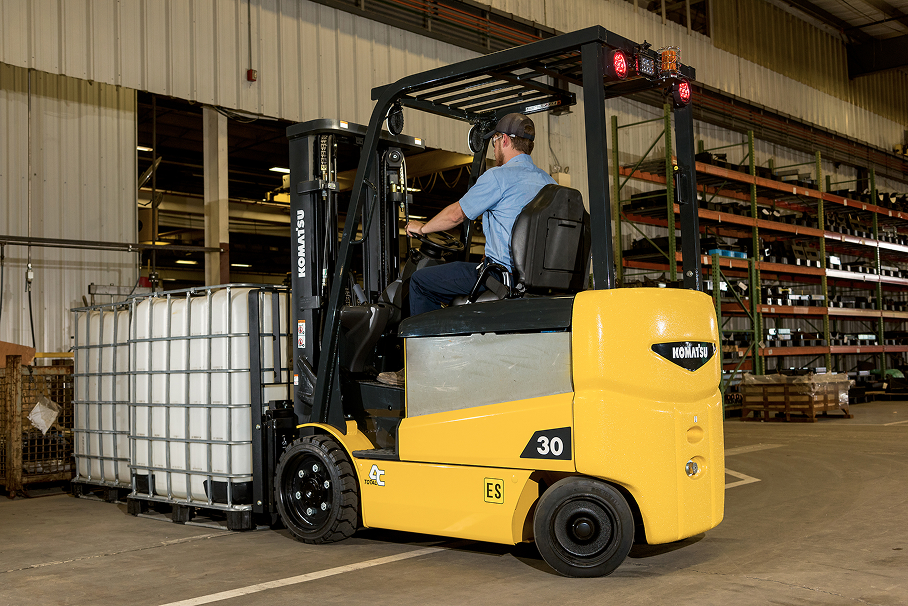
The electric forklift has rapidly gained popularity, especially for indoor applications. Driven by advancements in battery technology and a growing emphasis on sustainability and workplace safety, these machines offer a compelling set of benefits.
The Advantages of an Electric Forklift
- Zero Emissions: This is the most significant benefit. An electric forklift produces zero exhaust fumes, making it the only choice for indoor operations where air quality is a priority. This eliminates health risks for employees and prevents contamination of sensitive products.
- Lower Total Cost of Ownership: While the initial investment is higher, the long-term savings are substantial. Electricity is significantly cheaper than diesel fuel, and with fewer moving parts in the motor, maintenance costs are drastically reduced. There are no engine oil changes, spark plugs, or filters to replace.
- Quiet Operation: Electric models operate with minimal noise. This creates a safer and more pleasant work environment, improving communication between team members and reducing the risk of accidents.
- Superior Maneuverability: Electric forklift models often have a more compact design and a smaller turning radius. This makes them exceptionally agile and perfect for navigating narrow warehouse aisles and other tight spaces, maximizing storage capacity. For businesses in a dense market, an electric forklift rental can be a great way to test its capabilities in a confined space.
The Disadvantages of an Electric Forklift
- Battery Charging and Downtime: The primary drawback is the time required for battery charging and replacement. A standard battery can take 8 hours to charge and another 8 hours to cool down, potentially taking a forklift out of commission for an entire shift. While battery swapping is an option, it requires additional investment in extra batteries and dedicated space for a charging station.
- Higher Upfront Cost: The initial purchase price of the forklift, along with the necessary batteries and charging infrastructure, is typically higher than that of a comparable diesel forklift.
- Performance Limitations: While technology is improving, electric models may still have limitations in lifting the heaviest loads and are generally not designed for sustained use on rough, outdoor terrain.
Find The Forklift That Works For You
The electric forklift vs diesel forklift debate doesn’t have a single winner. The right choice depends entirely on your operational DNA. Are you running a 24/7 outdoor operation moving heavy steel? A diesel forklift is likely your answer. Are you managing a high-traffic indoor warehouse with narrow aisles? An electric forklift is almost certainly the superior choice.
At Southwest Material Handling Co., we don’t just sell or rent equipment; we provide solutions. As a premier forklift rental company serving the region, we understand the nuances of this decision. Our extensive fleet includes the latest models of both electric and diesel machines, giving you the flexibility you need. We encourage our clients to consider a forklift rental to test a specific model in their own environment before committing to a purchase. An electric forklift rental can quickly prove its value in an indoor setting, while a diesel forklift rental can demonstrate its power on a tough job site.
For businesses in the Dallas area, our dedicated forklift rental Dallas TX service provides prompt delivery and expert support. We can help you analyze your total cost of ownership, assess your facility’s needs, and recommend the perfect forklift to optimize your workflow and boost your bottom line.
Don’t guess which forklift is right for you. Contact Southwest Material Handling Co. today, and let our team of experts guide you to the perfect material handling solution.